Menu


A Glass Conservatory as a Hub for Plant Workshop Ideas
Explore how a Glass Conservatory can host profitable plant workshops. From succulents to herb gardening, discover unique business ideas for your commercial space.
Have you ever walked into a Glass Conservatory and felt an immediate sense of calm? The light filters through the panes in a specific way. It creates a microclimate that is hard to replicate indoors. For a business owner, this structure is more than just an extension of a home. It represents a versatile commercial venue. We have been exploring unique ways to utilize this space. One of the most promising avenues involves hosting plant-themed workshops. These events blend education with a natural atmosphere.
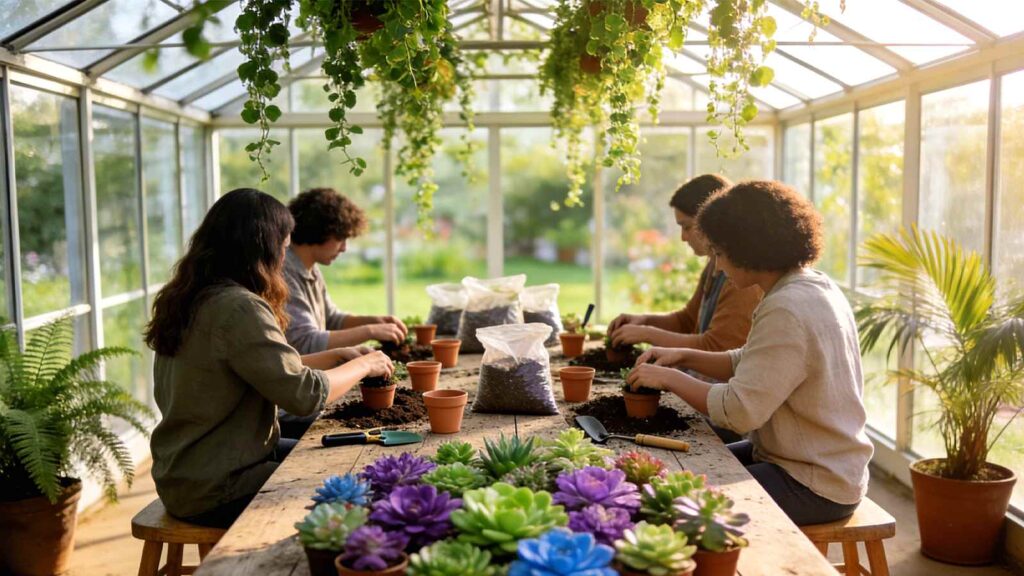
People are looking for experiences today, not just products. They want to touch soil and learn skills. A Glass Conservatory provides the perfect backdrop for this shift. It removes the barrier between the teacher and nature. Imagine your attendees seated at a rustic table. They are surrounded by ferns and flowering plants. Their focus is entirely on the instructor. The setting itself inspires creativity and a willingness to learn. This environment naturally encourages participants to purchase materials and plants to continue their projects at home.
Let us look at some specific commercial applications. The first idea that comes to mind is a succulent container workshop. Succulents are incredibly popular right now. They are low-maintenance and visually appealing. In your Glass Conservatory, you can set up a long workbench. Provide small terracotta pots, soil, and a variety of echeveria and sedum. Participants can learn about drainage and propagation. The warm, bright light of the conservatory is ideal for keeping the plants happy during the event. It also makes for excellent photographs, which attendees will likely share on social media. This sharing acts as free advertising for your venue.
Another profitable workshop theme revolves around culinary herbs. Many people want to grow their own food but lack the space or knowledge. A “Family Herb Garden Planting” class fits perfectly here. You can teach guests how to start seeds indoors. They can learn about basil, mint, and rosemary. The Glass Conservatory protects young seedlings from harsh weather outside. It offers a controlled environment where these lessons can happen year-round. Participants can plant their own small containers to take home. They leave with a tangible product and a new skill. This connection increases the likelihood of them returning for more advanced classes.
We should also consider the artistic side of flora. Pressed flower art workshops are gaining traction. They appeal to a demographic interested in crafts and decoration. In your Glass Conservatory, you can guide attendees on how to select blooms. They learn the pressing process and how to arrange them in frames. The natural light in the conservatory is essential for this activity. It allows people to see the true colors of the petals. It creates a serene atmosphere that is conducive to artistic flow. This type of event often attracts groups of friends looking for a unique outing. It positions your conservatory as a cultural spot, not just a gardening space.
The layout of your Glass Conservatory is key to facilitating these events. You need to think about the flow of traffic. Tables should be arranged to encourage interaction. Leave enough room for people to move around and view the permanent plants in your collection. The heating and ventilation must be managed carefully. A room full of people generates heat. Plants have specific temperature needs. You must balance these factors to keep both the guests and the greenery comfortable. Good airflow prevents the air from becoming stuffy. This attention to detail ensures a pleasant experience.
Marketing these workshops requires a specific approach. You should highlight the unique setting. Do not just sell the class; sell the experience of being in a Glass Conservatory. Use high-quality images of the space filled with light. Write descriptions that evoke the senses. Mention the scent of the soil and the sight of the sun filtering through the glass. Partner with local plant influencers to host sessions. Their followers will trust their recommendation. You can also collaborate with local cafes. Offer a combined ticket that includes a workshop and a garden-themed lunch. This creates a full-day experience that is hard to resist.
From a financial perspective, these workshops offer multiple revenue streams. There is the ticket price for the class itself. Then, there is the retail opportunity. After the workshop, participants will want to buy supplies. You can sell pots, specialty soil, and unique plant varieties right there in the conservatory. You might also sell refreshments. A small cart with herbal teas and light snacks adds to the ambiance. It keeps people on the premises longer. The longer they stay, the more likely they are to browse and make impulse purchases. This turns a simple workshop into a significant source of income.
The versatility of the space cannot be overstated. A Glass Conservatory can host a morning yoga session among the plants. It can transition to a afternoon planting workshop. Later, it could serve as a venue for a small evening gathering. This flexibility maximizes your return on investment. You are not limited to just one type of activity. You can rotate themes with the seasons. In the spring, focus on seed starting. In the summer, host workshops on tropical plant care. The conservatory protects everyone from the elements while keeping them connected to the outdoors. This connection is a major selling point for modern consumers.
We must also address the practicalities of running such a venue. Insurance is a consideration when hosting public events. You need to ensure your policy covers workshops. Seating and tables should be sturdy and easy to clean. Spills are inevitable during planting activities. Choosing materials like metal or treated wood makes cleanup easier. You should also have a designated area for washing hands. A small sink or a portable handwashing station is a necessity. These practical details show professionalism. They make guests feel cared for and comfortable. Comfort leads to positive reviews and repeat business.
Consider the lighting in the evening. If your workshops run late, the ambiance changes. The glass reflects the interior lights. This creates a magical, glowing effect in the garden. You can use string lights or lanterns to enhance this. Evening workshops might focus on topics like night-blooming plants or moon gardens. The Glass Conservatory becomes a beacon in the darkness. It draws people in. This visual appeal is powerful for marketing. It sets your venue apart from a standard community center or classroom. It offers a premium feel that justifies a higher ticket price.
Your role as the host is to facilitate learning. You do not need to be the expert yourself. Partner with local master gardeners or florists. They bring credibility and expertise. You provide the stunning location. This partnership model works well. It reduces your workload and brings in a dedicated audience. The expert brings their followers. You provide the space. It is a symbiotic relationship. Over time, your Glass Conservatory becomes known as the go-to place for botanical education in the area. This reputation is invaluable. It builds a community around your business.
Think about the demographic that is attracted to these events. It is often wide-ranging. You will see young professionals looking for a hobby. There are retirees who have always loved gardening. There are parents with children seeking educational activities. You can cater to all of them. Offer specific kids’ workshops during school holidays. Host sophisticated evening events for adults with wine and cheese. The Glass Conservatory adapts to each group. It feels intimate for a small gathering. It feels grand for a larger event. This adaptability is its greatest strength as a commercial asset.
The design of the conservatory itself influences the workshop theme. A Victorian-style conservatory with ornate details lends itself to classic flower arranging. A sleek, modern glass structure feels right for minimalist terrarium building. Play to the architectural strengths. Use the space as a prop. The shelves and benches can display finished products. The height of the ceiling allows for hanging plants to be featured. Every corner can serve a purpose. Do not clutter the space. Allow the architecture and the plants to breathe. This creates a calming environment that encourages concentration and creativity.
Inventory management becomes part of your routine. You will need to stock enough supplies for upcoming workshops. But you must also maintain the permanent plants in the conservatory. They are the backdrop. They must look healthy and vibrant. Dead or dying plants ruin the aesthetic. They send the wrong message. So, a strict care regimen is necessary. Watering schedules and pest control are non-negotiable. Your guests will notice the details. They will see a thriving space and want to replicate it at home. This desire is what drives your workshop sign-ups and retail sales.
We should talk about the acoustics. Glass can echo. Hard surfaces reflect sound. When hosting a workshop, you need people to hear clearly. Consider adding soft elements. Rugs, cushions, and fabric can dampen sound. They add warmth to the space too. You might invest in a small, portable microphone system for the instructor. This ensures everyone can hear without straining. Good acoustics make the learning process smooth. Participants do not get frustrated. They leave feeling they received value. Word-of-mouth recommendations often hinge on these small comfort factors. They distinguish a professional operation from an amateur one.
The weather outside is always a topic of conversation. In a Glass Conservatory, weather becomes part of the experience. A light rain pattering on the roof creates a soothing soundtrack. Bright sunshine energizes the participants. Even a cloudy day offers diffused, perfect light for photography. You can embrace these conditions. Use them as teaching points. Discuss how light levels change with the seasons. Show how plants respond to atmospheric pressure. The conservatory becomes a living laboratory. It connects people to the natural rhythms they often miss while living and working indoors. This connection is emotionally resonant.
Marketing materials should always feature the Glass Conservatory prominently. Do not let the focus drift solely to the craft. The venue is the star. Use phrases like “Join us under the glass” or “In our sun-drenched studio.” These phrases paint a picture. They remind people that this is not an ordinary class. It is an escape. In a busy world, escape sells. People pay for tranquility. They pay for beauty. Your conservatory offers both in abundance. Capture that in your writing. Keep the tone friendly and inviting. Avoid corporate jargon. Speak like a gardener welcoming a friend.
Finally, consider the long-term community you are building. Regular attendees will form friendships. They will share tips and plant cuttings. Your Glass Conservatory becomes a social hub. This community loyalty protects your business during slow seasons. These are the people who will book private events. They will buy gift certificates for friends. They become your brand ambassadors. Nurture this community. Send a newsletter. Offer a loyalty discount. Remember their names. A business built on genuine relationships is sustainable. It thrives because people feel a sense of belonging. That sense of belonging started with a simple workshop in a beautiful, light-filled space.
In summary, the commercial potential of a Glass Conservatory is vast. It is a blank canvas. You can paint it with workshops and greenery. You can fill it with laughter and learning. It requires investment and care. But the return is not just financial. It is the joy of creating a space where people connect with nature. It is the satisfaction of running a venue that educates and inspires. Whether it is succulent arranging or pressed flower art, the conservatory enhances the experience. It makes the ordinary feel extraordinary. That is the power of glass and light combined with living things. Your website should reflect this vision. Let your pages show the warmth and potential of this unique structure. Invite people to come and see it for themselves. The seeds you plant in their minds today will grow into the thriving business of tomorrow.





Why Choose Us?
1
As the first manufacturer in China to introduce the Victorian conservatory design from Europe, we have 36 years of production experience since 1988, and our products are distributed in 68 countries.
2
We have a professional team of 8 conservatory design engineers and 60 production workers. We are equipped with 2 hot-dip galvanizing machines, 2 steel shot blasting machines, and 1 spray line.
3
Our professional design team can provide theoretical calculation data support for wind pressure resistance, earthquake resistance, and snow resistance of large-scale steel structure conservatories.
4
Strict quality control. 8 inspection stages: raw material inspection, cutting and blanking size inspection, welding quality inspection, hot-dip galvanizing quality inspection, spray quality inspection, assembly quality inspection, and packaging quality inspection. Ensuring smooth assembly of the products, no rust, no leakage, and compliance with customer national standards.
5
We cooperate with many well-known architectural design companies worldwide.
6
Customized services. We can customize according to customer designs and dimensions. We also provide supporting facilities such as electric sunshades and air conditioners.
7
We offer installation dispatch services, inspection services, and free replacement of parts. We also present high-value exquisite gifts.
8
Video factory tour. You can view the entire production process.
Ready to Bring Your Greenhouse to Life?
Have questions about Greenhouse solutions? Leave a message below.
Your information will be kept confidential.
Call us: +86 138 3370 5565 • Email: admin@hengshengcasting.com