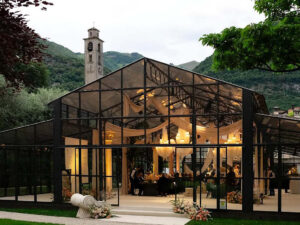
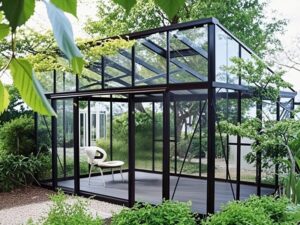
Thinking of hosting a harvest dinner party in your sunroom? Here is how we connected with local farms and used our garden to create a memorable evening for friends.
There is a special kind of magic that happens when you eat a meal just steps away from where the ingredients were grown. The concept of farm to table dining has grown popular for good reason. It connects us to our food in a way that a supermarket never can. If you are lucky enough to have a sunroom or a garden room overlooking a garden, you have the perfect venue for this experience. You do not need to own a large farm to participate. Even a modest vegetable patch or a partnership with a local farmer can set the stage.
Imagine walking your guests through the garden before they sit down. They can see the tomatoes still on the vine. They can smell the herbs growing in the border. This is the essence of the farm to table dinner. It turns a simple meal into a story. The food on their plates is not anonymous. It has a history and a place. By hosting such an event, you offer your guests more than just sustenance. You offer them a memory.
Why Location Matters for a Harvest Dinner Party
The location of your meal changes how people perceive the food. A restaurant is lovely, but it is a neutral space. A garden room, however, acts as a bridge between the indoors and the outdoors. You are protected from the evening chill, yet you are still visually connected to the source of the meal. When planning a harvest dinner party, this visual connection is key. It builds anticipation. Guests can watch the last rays of sun hit the pepper plants as they sip their welcome drinks.
Having the garden right there also simplifies logistics. If you are cooking, you can dash out for a last-minute handful of basil or chives. It does not get fresher than that. The proximity encourages a casual atmosphere. The line between the kitchen, the dining table, and the garden blurs. This relaxed vibe is exactly what people are looking for when they seek out authentic dining experiences.
Sourcing Ingredients Close to Home
The term farm to table dining suggests a short supply chain. You want to know exactly where your main components came from. If your own garden is productive, start there. Look at what is in season. Maybe you have an abundance of zucchini or leafy greens. Build your menu around these stars. For items you do not grow, turn to local farmers. Many small farms welcome direct contact. Explain that you are hosting a private dinner. They are often happy to sell you small batches of their best produce.
Visiting a local farm to pick up ingredients also adds to your own story. You can tell your guests about the farmer you met. You can describe the field where the carrots were pulled. This narrative depth is what separates a simple supper from a true farm to table dinner. It adds layers of flavor that have nothing to do with salt or spice. It is about community and connection. This authenticity is hard to replicate with store-bought goods.
Designing the Perfect Menu
Creating a menu for a garden room dining experience requires a different approach than cooking from a cookbook. You must be flexible. Nature does not always cooperate. If a cold snap hits and your beans are slow to grow, swap them out for something else. The best menus are built on what is ready to pick that day. Think simple preparations that let the ingredients shine. A grilled vegetable platter with a good olive oil is often more impressive than a complex sauce.
Consider the flow of the meal. Since you are hosting a harvest dinner party, you want to celebrate the abundance of the season. Offer dishes that can be served family-style. Large platters encourage sharing and conversation. They also look stunning on a rustic table. A big bowl of roasted potatoes with rosemary from the garden feels generous and comforting. A simple green salad with edible flowers from the border adds color. Keep the courses light so the focus remains on the company and the setting.
Setting the Scene in Your Sunroom
The atmosphere of the room matters as much as the food. For a garden room dining event, you want the decor to reflect the outdoor setting. Avoid heavy tablecloths or formal centerpieces. Instead, use cuttings from the garden. Herb sprigs laid across each plate smell wonderful. Small vases with single flowers keep the view clear. Lighting is also crucial. As the sun goes down, rely on candles. They cast a warm glow that flatters everyone and mimics the soft light of early evening.
Make sure the temperature is comfortable. If your sunroom gets too hot or too cold, guests will not relax. Open some windows to let in the breeze or have blankets ready if it is a cool autumn night. The goal is to make people feel like they are dining al fresco but with the comfort of being indoors. This balance is what makes the experience unique. It is intimate and protected, yet still fully immersed in the sights and sounds of the garden.
Engaging Guests Before the Meal
One of the biggest advantages of hosting a farm to table dinner in your own space is the ability to offer a tour. Before you call everyone to the table, take them outside. Walk them through the vegetable beds. Let them touch the leaves. Show them the trellis where the peas are climbing. This simple activity changes the way they eat. When they later taste that pea, they remember the vine. They remember the moment they saw it growing. This engagement is powerful.
You might even let them help with the final harvest. Give someone a pair of scissors and ask them to cut the lettuce for the salad. Hand another guest a basket to collect eggs if you have chickens. Participation turns passive diners into active contributors. They invest a little bit of themselves into the meal. This makes the eventual dining experience richer and more personal. It is a key component of successful garden room dining.
Timing the Event to Perfection
Timing is everything when you move from farm to table dining. You want the food to be as fresh as possible, but you also do not want to be stuck in the kitchen while your guests are having fun. Do as much prep work ahead of time as you can. Chop vegetables earlier in the day. Make dressings and marinades. Set the table hours in advance. When the tour is over and guests sit down, you should only need to do minimal final cooking or assembling.
Consider the season as well. A harvest dinner party in late summer will feature different ingredients and a different mood than one in early autumn. Match the timing of the meal to the light. Start early enough that guests can enjoy the garden in daylight. Let the evening transition naturally to candlelight as the courses progress. This natural progression feels organic and unforced. It mirrors the rhythms of the farm itself, where days start early and end softly.
Choosing the Right Beverages
Drinks play a supporting role in a farm to table dinner. They should complement the freshness of the food without overshadowing it. Look for local options. A nearby winery might have a crisp white that pairs perfectly with your garden greens. Local breweries often make seasonal beers that feature ingredients like pumpkin or honey. For non-alcoholic options, think about infused waters or herbal teas made from the very plants growing outside. Mint or lemon balm steeped in cold water is incredibly refreshing.
You can also use the garden for cocktails. A vodka with a sprig of rosemary or a gin and tonic with a slice of homegrown cucumber feels special. These small touches reinforce the theme. They remind guests, with every sip, that they are dining in a unique place. The beverages become part of the story, just like the food. They are not afterthoughts but integral parts of the garden room dining experience.
Handling Weather Variables
Even with a beautiful sunroom, the weather outside will affect your party. A sudden rainstorm might prevent the pre-dinner garden tour. Have a backup plan. You can talk about the garden from inside. Point out the window and describe what grows in each bed. If it is extremely hot, use fans and serve chilled soups. If it turns cold, embrace it. A warm stew tastes even better when there is a frost on the grass outside the glass walls.
The key to a successful harvest dinner party is adaptability. Do not stress about perfection. Guests will remember the warmth of the hospitality more than the temperature outside. If you are relaxed and having fun, they will too. The glass walls of the sunroom protect them from the elements while still allowing them to see the drama of the changing sky. This shelter with a view is a luxury that enhances the dining experience, regardless of the forecast.
Creating Lasting Memories
At the end of the night, as the candles burn low and the plates are cleared, your guests will leave with more than a full stomach. They will leave with a feeling of connection. They saw where their food came from. They breathed the air of the garden. They sat in a beautiful room that blurred the lines between nature and shelter. This is the gift of farm to table dining. It slows us down. It reminds us of the cycles of growth and the labor that brings food to our plates.
You do not need a professional kitchen or a staff of servers to pull this off. You just need a passion for fresh ingredients and a willingness to share your space. Whether you have a sprawling rural property or a small suburban sunroom with a few pots of herbs, the principles are the same. Source well, prepare simply, and welcome people warmly. The result is an evening that feels both rustic and refined. It is the ultimate expression of living close to the land.
Inviting the Community In
While this experience is wonderful for friends and family, do not underestimate its appeal to the wider community. If your garden room is part of a business, like a bed and breakfast, offering a farm to table dinner can be a huge draw. Guests seek out authentic local experiences. They want to meet the people growing their food. By opening your garden and your table to visitors, you provide exactly that. You become a destination, not just a place to sleep.
Even if you are a private individual, you might consider collaborating with a local chef for a one-time event. Chefs are always looking for unique venues. Your garden room offers an intimate setting they cannot find elsewhere. Together, you can create a menu that highlights the best of the season. This collaboration brings new people into your space and spreads the word about the beauty of garden room dining. It builds bridges between the grower, the cook, and the eater.
The Joy of Simple Preparation
There is a tendency to overcomplicate cooking for guests. We want to impress them with difficult techniques. However, the philosophy of farm to table dining argues for simplicity. When ingredients are at their peak, they need very little help. A perfectly ripe tomato only needs salt. A fresh ear of corn is delicious raw or barely grilled. Trust your ingredients. Let them be the stars of the show. Your job as the host is to arrange them beautifully and not get in the way.
This approach takes pressure off you as well. You can spend less time hovering over a stove and more time with your guests. That is the real point of a harvest dinner party. It is about connection, not culinary acrobatics. Put out a board of local cheeses, some crusty bread, and a bowl of just-picked cherry tomatoes. People will be thrilled. They will pick and nibble and talk. The food facilitates the gathering; it does not dominate it.
Reflecting on the Season
Each season offers a different palette for your garden room dining event. Spring brings tender asparagus and peas. Summer explodes with tomatoes, berries, and squash. Autumn offers root vegetables, apples, and hearty greens. Pay attention to these shifts. Celebrate the first asparagus of the year. Mourn the last tomatoes of the season with a final feast. Eating this way keeps you in tune with the calendar. It marks time not by dates on a page, but by the flavors on your tongue.
This seasonal awareness is a core part of the farm to table dinner ethos. It teaches patience and appreciation. When you know you can only get sweet corn for a few weeks, you savor it more. Hosting these dinners regularly throughout the year allows you and your guests to experience the full cycle of growth. Each dinner is unique. You can never repeat the exact same menu because nature never provides the exact same conditions twice.
Wrapping Up the Evening
As your guests prepare to leave, consider sending them home with a small token from the garden. A bundle of herbs tied with twine or a single perfect apple is a lovely gesture. It extends the experience beyond the evening. When they cook with those herbs the next day, they will think of your table. They will remember the view from the sunroom and the taste of the fresh food. This is how memories are made and how traditions are born.
Hosting a farm to table dinner is deeply satisfying. It combines the joy of growing, the pleasure of cooking, and the warmth of hospitality. Your garden room is the perfect stage for this act. It frames the view of the garden while providing comfort. It allows you to share your little slice of paradise with others. So, plan that menu, pick those vegetables, and set that table. Your guests are waiting, and the garden is ready to provide.