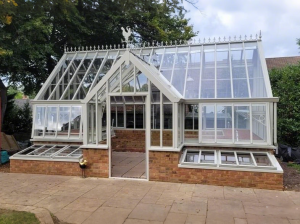
Explore how greenhouse glass blends centuries-old artistry with cutting-edge technology. Discover innovations that boost durability, light diffusion, and energy efficiency for your space.
From Ancient Workshops to Smart Greenhouses: How Glass Craft Shapes Modern Living
Have you ever wondered why some greenhouses thrive year-round while others struggle with condensation, temperature swings, and high energy bills? Data shows that over 40% of greenhouse performance issues stem from glass selection and application. Glass, a material that has accompanied humanity for millennia, is quietly undergoing a silent revolution. It is no longer just a barrier against the elements but a precise interface merging physics, aesthetics, and ecological wisdom. In the realm of greenhouse glass, artisan spirit and technological innovation are writing a new chapter together.
Greenhouse glass stands at the heart of this transformation. For centuries, glassmaking relied on the skilled hands of artisans who understood the behavior of silica and minerals at high temperatures. Their knowledge, passed down through generations, laid the foundation for today’s advanced glazing solutions. Modern technology, however, has expanded these possibilities exponentially. The fusion of old and new ensures that every sheet of glass not only protects plants but also nurtures them intelligently.
The Roots of Tradition: The Warmth of Handcrafted Skill
The essence of traditional glass craftsmanship lies in a profound understanding and mastery of materials. In ancient workshops, artisans judged the state of molten glass by observing its flow and color. This experience-driven process gave glass its unique character and vitality. Techniques like blowing, stretching, and rolling may seem primitive, yet they contain the fundamental wisdom for controlling thickness, density, and uniformity. Many contemporary high-end greenhouse glasses still draw on these principles, especially in designing custom shapes and textures. Handcrafting teaches us to respect the natural properties of materials, preventing the mechanical flaws that can arise in industrial production. This heritage ensures foundational quality, much like fertile soil providing solid ground for future innovation.
Modern Breakthroughs: Precision and Performance Empowered by Science
When tradition meets modern science, greenhouse glass achieves a leap forward. Today’s production lines integrate digital monitoring and automated forming, ensuring every batch meets millimeter-level precision standards. For instance, the widespread use of low-iron glass significantly enhances light transmittance, allowing more photosynthetically active radiation into the greenhouse. Coating technology acts like an intelligent garment for glass, selectively reflecting infrared or ultraviolet rays to regulate the internal microclimate. These advancements do not replace tradition but extend and enhance it. Engineers and glass artists often collaborate, merging aesthetic needs with functional parameters to create products that are both beautiful and highly efficient.
Core Innovation: Multi-Functional Composite Glass Structures
A key focus in current greenhouse glass development is the creation of composite structures. Multiple glass panes are sealed with inert gas fills or embedded with thin-film photovoltaic layers. This not only improves thermal insulation but can also convert excess solar energy into electricity. The design inspiration for these structures also comes from history—stained glass in medieval churches used layering and coloring techniques to control light. The modern versions are far more precise, calculating optical angles to optimize light distribution throughout the year. Self-cleaning coatings represent another popular innovation. They utilize photocatalysis to break down organic dirt on the surface, significantly reducing maintenance costs. Such glass has proven its value in many commercial greenhouses, especially in areas with high dust or humidity.
Sustainability: Craft Evolution Driven by Ecological Awareness
Environmental responsibility is reshaping the entire glass manufacturing chain. The high-temperature melting central to traditional processes, once a major energy consumer, is now being revolutionized by electric furnaces powered by renewable energy. The use of recycled cullet is continuously increasing, reducing the need for raw material extraction. Wastewater and emissions undergo stringent treatment during production to minimize ecological impact. These sustainable practices not only lower the carbon footprint but often lead to better product performance. For example, panels made with recycled glass sometimes exhibit superior UV stability because their internal structure has been tempered by multiple thermal histories.
Future Horizons: Adaptive and Biomimetic Technologies
The next frontier for glass technology may be dynamic adaptive systems. Researchers are experimenting with glass embedded with micro liquid crystals or electrochromic coatings. These can adjust light transmittance and haze in real-time based on external weather conditions. This technology mimics the self-protection mechanisms of plant leaves, scattering light during intense sun and becoming clear in low light. Another fascinating direction is biomimetic design, which borrows from the microscopic structures of butterfly wings or marine creature skins to manage light and heat. While these concepts are complex, their essence is a return to close observation of nature—a philosophy that traditional artisans have always upheld.
Conclusion: Finding Balance Between Light and Shadow
The story of greenhouse glass is a narrative about balance—between heritage and modernity, art and science, shelter and empowerment. Choosing the right glass means understanding this balance and finding a unique expression for your space. It is more than a building component; it is a medium connecting the past and the future. As craftsmanship continues to evolve, we can anticipate even more intelligent and harmonious growing environments. Each time sunlight passes through the glass to warm a plant’s leaves, it quietly narrates this ongoing journey of innovation. Let us appreciate the beauty of this fusion and contribute fresh inspiration to its story.