Garden Gazebo Guide: What Should I Consider Before Building a Backyard Gazebo?
Dreaming of a serene escape just steps from your door? You’re not alone. Studies show that well-designed outdoor living spaces significantly boost property value and homeowner happiness. Yet, a hasty gazebo build can lead to costly mistakes, from poor placement to unexpected maintenance headaches. So, what are the essential factors to weigh before breaking ground on your perfect garden gazebo? This guide will walk you through every critical consideration, ensuring your new outdoor patio becomes a source of joy, not regret.
The journey to a stunning backyard structure begins with a clear vision. Defining your gazebo’s primary purpose is the crucial first step. Will it be a dining and entertainment hub for your outdoor patio? A quiet reading nook? Perhaps a decorative focal point for your garden. Your intended use directly influences every subsequent decision, from size and style to material and budget. A space meant for large gatherings will have different requirements than a private retreat. This clarity prevents future disappointment and guides a cohesive design plan.
Your available space and its specific characteristics demand careful analysis. Precise measurements of your yard are fundamental. You must consider the gazebo’s footprint and the necessary clearance around it. Sun exposure patterns throughout the day are vital. A spot that is sunny in the morning may be shaded in the evening, affecting its use. Wind direction and strength should also be assessed. A consistently windy corner might make a lightweight structure uncomfortable. Furthermore, the gazebo must complement your home’s architecture and existing landscape. The goal is integration, not obstruction. The view from inside the gazebo is equally important. A pleasant outlook enhances the overall experience.
Navigating Legal and Practical Foundations
Often overlooked, legal and utility considerations are non-negotiable. Contacting your local municipal planning department is essential. Many areas require permits for permanent structures. Regulations may govern maximum height, size, and proximity to property lines. Homeowners’ association rules must also be reviewed. These covenants can restrict materials, colors, and styles. Simultaneously, underground utilities must be located. Gas, water, electrical, and sewer lines could be buried in your chosen spot. Damaging them during construction poses serious safety and financial risks. Always call the national “call before you dig” service to mark utility lines.
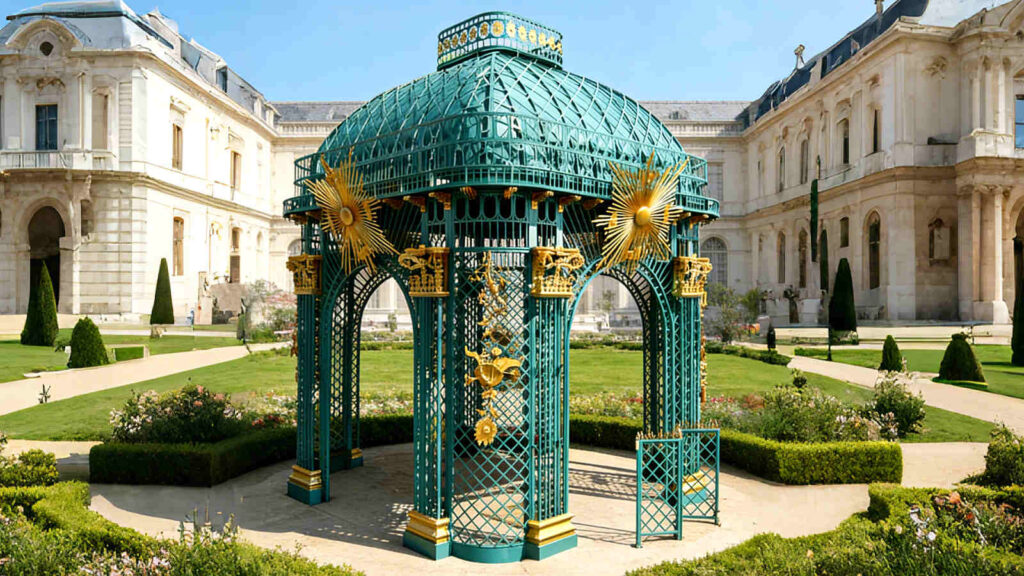
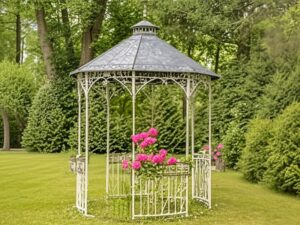
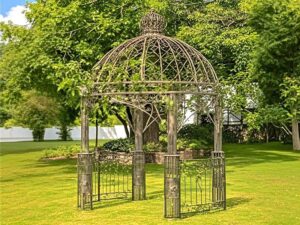
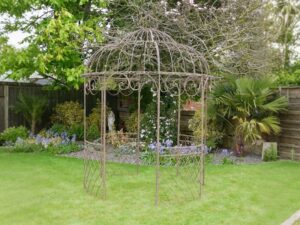
The choice of material profoundly impacts aesthetics, durability, and upkeep. Popular options include wood, metal, and vinyl. A classic wood garden gazebo offers natural beauty and can be stained or painted. However, it requires regular sealing or staining to prevent rot and insect damage. A metal garden gazebo, often made from aluminum or steel, provides exceptional strength and stability. Modern powder-coated aluminum versions resist rust and require minimal maintenance. They are ideal for areas with harsh weather. Vinyl gazebos are low-maintenance and durable but may have a more limited design selection. Each material carries different cost implications for both initial installation and long-term care.
Design, Budget, and Long-Term Enjoyment
The architectural style of your gazebo should harmonize with your home. A modern metal garden gazebo might clash with a traditional cottage. Consider the roof shape, whether pavilion, pagoda, or dome. Decorative elements like railings, trim, and finials add character. Features such as integrated lighting, mosquito netting, or privacy screens elevate functionality. These details transform a simple structure into a fully realized outdoor room. Your budget must account for all expenses. The total cost includes the kit or materials, a potential concrete foundation, professional labor if needed, and any extra features. Always include a contingency fund for unforeseen issues. Preparation of the site, including grading and drainage, is critical for longevity. A level, stable base prevents structural problems.
Final decisions involve practical enhancements. Will you need electrical wiring for lights or fans? Planning for conduit during construction is easier than retrofitting. Consider furniture that fits the scale of the space. Durable, weather-resistant cushions and fabrics are recommended for the outdoor patio setting. Finally, understand the maintenance commitment. A wood structure needs yearly inspection. A metal garden gazebo may only need occasional cleaning. Your beautiful garden gazebo is more than an addition. It is an investment in your home and quality of life. Thoughtful planning ensures it will be a cherished part of your outdoor patio for years to come. Your personal sanctuary awaits. Let it reflect your needs and style from the very beginning. The perfect backyard escape is built on a foundation of careful consideration.