Menu


Sunroom Design Ideas to Craft Your Healthy, Natural Light-Filled Retreat
Discover expert sunroom design ideas to create a healthy glass sunroom. Our guide focuses on maximizing natural light for wellness, backed by authoritative research. Start your project today!
Breathe in Wellness: Transforming Your Sunroom into a Health Sanctuary
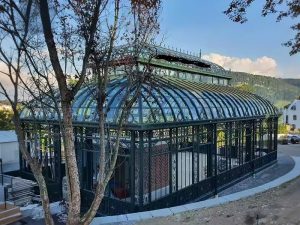
Did you know that the average person spends approximately 90% of their time indoors, according to the U.S. Environmental Protection Agency? This reality often deprives us of adequate natural light, a crucial element for physiological and psychological health. Many homeowners seek a solution—a bridge to the outdoors that doesn’t compromise comfort. This is where intentional sunroom design ideas come into play, transforming a simple addition into a vital healthy space. A well-planned glass sunroom becomes more than a room; it is a dedicated wellness zone flooded with natural light, designed to enhance your daily life. This guide will explore how to design your sunroom with health as the core principle, creating a sanctuary that nurtures both body and mind.
The Foundational Element: Harnessing Natural Light
The primary goal of any health-centric sunroom design is to maximize exposure to quality daylight. Natural light is our most potent connection to the environment’s rhythms. Research from the Harvard T.H. Chan School of Public Health emphasizes that access to daylight regulates our circadian rhythms, which in turn improves sleep quality, boosts mood, and enhances cognitive function. Your glass sunroom should act as a sophisticated light-gathering vessel.
Consider the orientation carefully. A south-facing orientation typically provides the most consistent daylight throughout the year. East-facing sunrooms capture the gentle morning sun, perfect for breakfast and meditation. West-facing ones offer warm afternoon light, while north-facing orientations provide softer, more diffuse illumination. The choice of glazing is equally critical. Opt for high-performance, low-emissivity (low-E) glass. This technology allows visible light to enter while filtering out a significant portion of harmful ultraviolet rays and managing infrared heat, creating a safe and comfortable environment. This approach to glass sunroom construction ensures your space is bathed in beneficial light without the drawbacks of excessive heat gain or fading of furnishings.
| The Best Glass Options for a Durable Victorian Greenhouse |
Designing for Biophilic Connection
Biophilic design is the practice of connecting people and nature within built environments. A sunroom is the perfect canvas for this philosophy. The extensive use of glass achieves a visual connection, but the design must go further. Incorporate natural materials like stone flooring, wooden beams, or rattan furniture. These elements provide texture and warmth, reinforcing the organic feel. Introduce a robust indoor garden. Place potted plants, create a vertical green wall, or even incorporate a small indoor water feature. The presence of plants does more than beautify; a study published in the Journal of Physiological Anthropology found that active interaction with indoor plants can reduce physiological and psychological stress.
The layout should encourage engagement with the outside world. Arrange seating to face garden views or a focal point in your landscape. Operable windows and roof vents are essential, not just for temperature control but to allow for cross-ventilation. The sound and feel of fresh air moving through the space deepen the biophilic experience, making your sunroom a true extension of the natural world.
Prioritizing Thermal Comfort and Air Quality
A healthy space must be physically comfortable. A common pitfall in sunroom design is temperature fluctuation—becoming too hot in summer or too cold in winter. This can be mitigated through integrated design solutions. As mentioned, low-E glass is the first defense. Supplement this with passive shading strategies. External awnings, retractable screens, or deciduous trees planted on the sun-facing side provide shade in summer while allowing light in during winter. For climate control, consider a dedicated mini-split HVAC system. It offers efficient, quiet heating and cooling without relying on your home’s main system, ensuring the sunroom is usable year-round.
| Greenhouse Ventilation System – The Heart of Your Perfect Sunroom |
Air quality is paramount in a sealed glass sunroom. Ensure adequate ventilation through operable skylights or vents. Incorporating an air purifier with a HEPA filter can remove allergens, pollen, and dust, which is especially beneficial for individuals with allergies. Choosing low-VOC (volatile organic compounds) paints, finishes, and furnishings for your sunroom design prevents off-gassing of harmful chemicals, maintaining pristine indoor air that supports respiratory health.
Layouts for Active Wellness and Mental Clarity
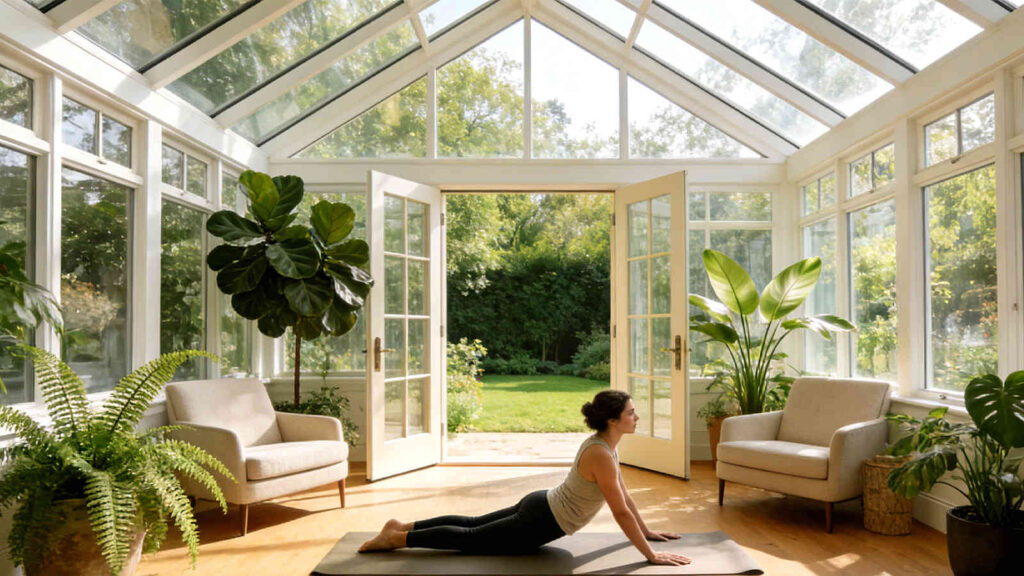
The functionality of your sunroom should actively promote health. Dedicate zones within the space for specific wellness activities. Create a movement zone with enough clear floor space for yoga, stretching, or lightweight exercise mats. The uplifting environment of a natural light-filled room makes physical activity more inviting. Opposite this, design a mindfulness corner. A comfortable armchair or a daybed positioned for a serene view becomes the perfect spot for reading, meditation, or simply unwinding. The proven mood-enhancing effects of daylight make this corner a powerful tool for mental health.
Acoustic design is often overlooked. Hard surfaces like glass and tile can create echo. Soften the acoustics with textured rugs, plush cushions, and abundant upholstered furniture. This creates a quieter, more contemplative atmosphere conducive to relaxation and focus, completing the holistic healthy environment.
Finishing Touches for a Holistic Experience
The final layer of your sunroom design ideas involves sensory details. For lighting, install a dimmable system to complement the natural light. Warm, adjustable LED fixtures allow you to set the perfect mood for evening use, supporting your circadian rhythm as daylight fades. The color palette should be inspired by nature. Soft greens, earthy browns, sky blues, and warm neutrals promote calm and relaxation. These colors reflect the outdoor environment, strengthening the visual connection.
Finally, personalize your sanctuary. Add soft, natural-fabric blankets for comfort. Use a small speaker for playing gentle nature sounds or calming music. Keep your favorite wellness books nearby. These personal touches transform the glass sunroom from a designed space into your personal health retreat, a daily destination for renewal.
Embarking on a sunroom project with health as the guiding principle is an investment in your long-term well-being. By thoughtfully maximizing natural light, fostering a biophilic connection, ensuring comfort, and designing for active wellness, you create a space that actively contributes to a healthier, happier life. Your perfect healthy sanctuary awaits.
References & Further Reading:
-
U.S. Environmental Protection Agency. “Indoor Air Quality.” EPA.gov. This supports the opening statistic on indoor time.
-
Harvard T.H. Chan School of Public Health. “Daylight and Building Design.” The Center for Health and the Global Environment. This authoritatively supports the benefits of natural light on circadian rhythms.
-
Lee, M., et al. “Interaction with indoor plants may reduce psychological and physiological stress by suppressing autonomic nervous system activity in young adults: a randomized crossover study.” Journal of Physiological Anthropology 34, 21 (2015). This provides scientific backing for the stress-reducing benefits of indoor plants.

Related_products


Why Choose Us?
1
As the first manufacturer in China to introduce the Victorian conservatory design from Europe, we have 36 years of production experience since 1988, and our products are distributed in 68 countries.
2
We have a professional team of 8 conservatory design engineers and 60 production workers. We are equipped with 2 hot-dip galvanizing machines, 2 steel shot blasting machines, and 1 spray line.
3
Our professional design team can provide theoretical calculation data support for wind pressure resistance, earthquake resistance, and snow resistance of large-scale steel structure conservatories.
4
Strict quality control. 8 inspection stages: raw material inspection, cutting and blanking size inspection, welding quality inspection, hot-dip galvanizing quality inspection, spray quality inspection, assembly quality inspection, and packaging quality inspection. Ensuring smooth assembly of the products, no rust, no leakage, and compliance with customer national standards.
5
We cooperate with many well-known architectural design companies worldwide.
6
Customized services. We can customize according to customer designs and dimensions. We also provide supporting facilities such as electric sunshades and air conditioners.
7
We offer installation dispatch services, inspection services, and free replacement of parts. We also present high-value exquisite gifts.
8
Video factory tour. You can view the entire production process.
Ready to Bring Your Greenhouse to Life?
Have questions about Greenhouse solutions? Leave a message below.
Your information will be kept confidential.
Call us: +86 138 3370 5565 • Email: admin@hengshengcasting.com