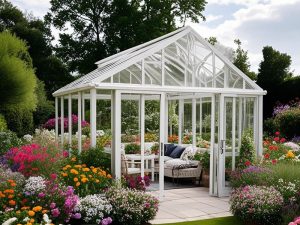
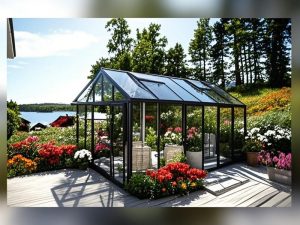
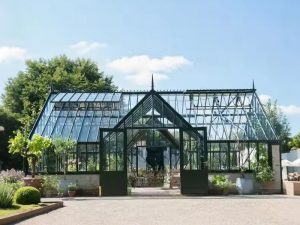
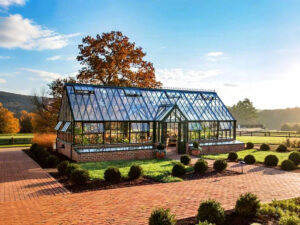
The Chelsea Flower Show winner had a secret – their amazing Victorian greenhouse. But this wasn’t an old-fashioned glasshouse. They used modern steel to build it, keeping all the classic Victorian beauty while making it strong enough to last forever.
This winning design proved something important: traditional beauty and modern durability can work together perfectly. Let me tell you how they did it—and how you can get the same look for your own garden.
Why This Design Won Hearts (and Awards)
The judges loved three key things:
-
The Perfect Blend of Old and New
-
Classic Victorian details (those elegant curved roofs!)
-
Tough steel frame that won’t rot or warp
-
Extra-large glass panels for better light
-
-
Smart Growing Features
-
Automatic vents that open when it gets too hot
-
Hidden gutters that collect rainwater for irrigation
-
Special glass that lets in more “good” sunlight
-
-
Sheer Beauty
-
Delicate-looking but actually super strong
-
Worked perfectly with both flowers and vegetables
-
Looked amazing from every angle
-
Fun Fact: The designer actually used 19th-century gardening books for inspiration—then added all the modern tricks we’ve learned since!
Steel vs. Wood: Why Metal Won
Traditional Victorian greenhouses were wooden. So why go with steel?
✔ Lasts Longer: No rotting, no termites, no warping ✔ Stronger: Can support heavier glass and survive storms ✔ Less Work: No yearly repainting needed ✔ Slimmer Look: Metal frames block less sunlight
“The steel lets the plants be the star,” the designer told me. “You hardly notice the structure—just the beautiful greenery inside.”
Getting the Victorian Look Right
Want that classic Victorian style conservatory appearance? Here’s what matters:
-
Curved Roof: Not flat—those graceful arches are key
-
Decorative Details: Thin metal cresting along the top
-
Tall Windows: At least one section should reach full height
-
Classic Colors: Dark green, black, or sometimes white
Budget Tip: You can get 80% of the look for 50% of the cost by focusing on just one or two signature details.
Where to Find Your Own Show-Worthy Orangery
Ready for your award-worthy steel garden structure? Here’s where to look:
-
Specialty Builders
-
Best for custom designs
-
Expect to pay £15,000+ but get exactly what you want
-
-
Kit Companies
-
More affordable (from £5,000)
-
Some now offer steel versions with Victorian styling
-
-
Secondhand Surprises
-
Check garden centers closing down
-
Sometimes hotels/estates sell old ones when renovating
-
Warning: Cheaper kits often skimp on glass quality—don’t sacrifice thermal performance!
What to Grow in Your New Victorian Greenhouse
The Chelsea winner used theirs for:
-
Rare Orchids (the “wow” factor)
-
Herb Walls (both pretty and practical)
-
Mini Citrus Trees (that actually fruit!)
-
Cutting Flowers (for constant bouquets)
Beginner Tip: Start with just 2-3 easy plants like tomatoes and basil while you learn the space.
Maintenance Made Simple
Unlike great-grandpa’s greenhouse, this steel version stays easy:
☑ Once a Year: Hose down the glass inside and out ☑ Twice a Year: Check sealants and moving parts ☑ As Needed: Wipe steel with protective oil
“It basically takes care of itself,” the designer laughed. “I spend more time choosing what to plant than cleaning!”
Could This Work in Your Garden?
Measure first! The winning design was 4m x 3m—big enough to be useful but small enough for most yards.
Small Space Hack: Use tall, narrow designs that fit along fences or walls.
Urban Solution: Some companies now make “balcony Victorian” mini versions!
F
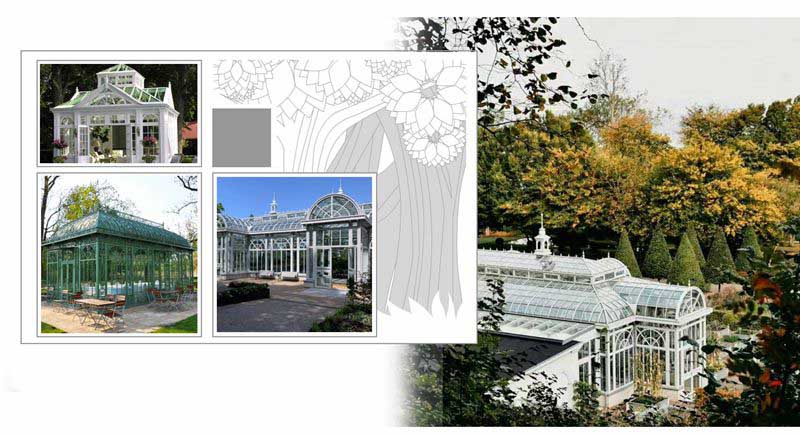
Steel-Framed Victorian for garden
inal Thought: Why This Matters
That shiny Chelsea medal proves something important—we don’t have to choose between old-world charm and modern convenience. With smart materials like steel and clever design, we can have both.
Whether you want to grow prize orchids or just enjoy a peaceful cuppa surrounded by greenery, a Victorian greenhouse with a steel heart might be your perfect garden addition.
What would you grow in yours?