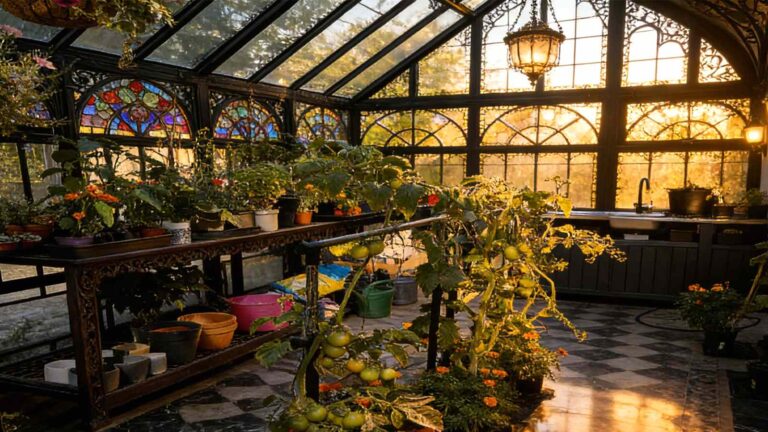
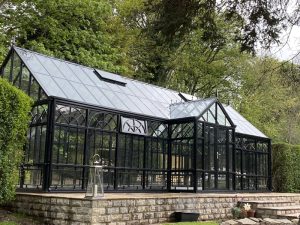
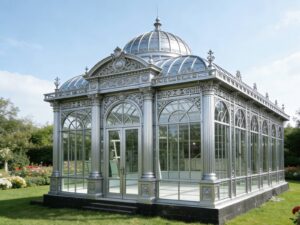
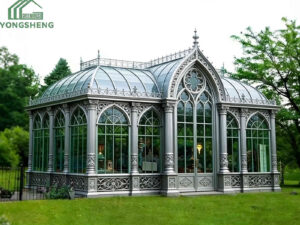
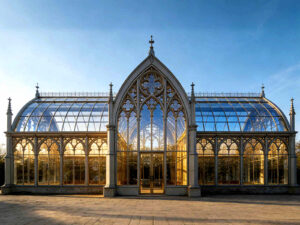
There is a structure that captures the imagination like no other. A Victorian Gothic greenhouse in your garden does more than just shelter plants. It serves as a statement of elegance. It becomes a retreat. It connects you to a rich history of botanical exploration while utilizing the best of modern engineering. But achieving this perfect blend of old-world charm and high performance comes down to one critical factor: your choice of materials.
We often receive questions about how to build a greenhouse that looks authentic but doesn’t require constant upkeep. The truth is, the original Victorian structures were marvels of their time. However, they were also drafty, high-maintenance, and prone to decay. Today, we have the knowledge and technology to improve upon them significantly. This guide will walk you through the essential material choices, focusing specifically on why a steel frame is non-negotiable and why your glass must meet modern safety and insulation standards.
The Foundation of Form: Why Steel Wins
When you picture a Victorian Gothic greenhouse, you might imagine intricate wooden finials and painted timber. While wood has a romantic appeal, the demands of the 21st-century gardener require something tougher. The frame is the skeleton of your greenhouse. It must bear the weight of the glazing, resist wind loads, and endure decades of weather.
Steel is the superior choice here. Specifically, you should look for a frame made from hot-dip galvanized steel. This process involves coating the steel in a layer of zinc. It protects against rust and corrosion far better than standard painting ever could. A galvanized steel frame can last for decades without rotting, warping, or succumbing to insect damage. These are problems that are common with wooden structures.
Some worry that steel might look too industrial for a Victorian design. But modern fabrication allows steel to be shaped into the elegant, pointed arches and decorative scrollwork that define the Gothic style. You get the slender profile that lets in maximum light, combined with the strength to support heavy snow loads or high winds. A steel frame is an investment in permanence. It ensures your greenhouse remains a fixture in your landscape for generations. It is not just a temporary garden shed.
Glazing Standards: Beyond Single Pane Glass
The glass in your Victorian Gothic greenhouse is what brings it to life. It allows the sun to warm the interior and protects your delicate plants from frost. However, not all glass is created equal. Using standard single-pane window glass is a recipe for high heating bills and potential safety hazards.
At a minimum, you must insist on tempered glass. Unlike ordinary glass, which breaks into sharp, dangerous shards, tempered glass fractures into small, pebble-like pieces. This is crucial for safety, especially in a family garden. Tempered glass is also significantly stronger. It is roughly four times stronger than annealed glass. This means it can better withstand impacts from hail, falling branches, or accidental bumps from your tools.
For the dedicated gardener, however, we recommend going a step further. Double-glazed units should be your gold standard. These consist of two panes of glass separated by a sealed air gap. This gap acts as a barrier against heat loss. In practical terms, this means your greenhouse stays warmer on chilly spring nights. It also helps keep the interior cooler during the peak of summer. The energy savings alone can offset the initial cost over time. Your plants will thank you for the stable environment.
Decoding Glass Performance
Selecting the right glass can feel technical, but it doesn’t have to be confusing. You simply need to understand two basic concepts. These are light transmission and insulation. For a Victorian Gothic greenhouse, you want to maximize both.
Clear, tempered glass offers fantastic light transmission. It often exceeds 90 percent. This is perfect for starting seedlings and growing sun-loving crops like tomatoes or orchids. However, if you opt for double glazing, you maintain high light levels. You also dramatically improve your insulation. The U-value measures how easily heat escapes. A single pane of glass might have a U-value of around 5.8. A double-glazed unit drops to about 2.8. This effectively cuts heat loss in half.
Some modern greenhouses even offer low-iron glass. Standard glass has a slight green tint due to iron content. Low-iron glass removes this tint. It allows the truest spectrum of light to reach your plants. It also makes the structure itself look crisper and clearer. If you are building a showpiece garden room, this is a wonderful upgrade. Aesthetics are just as important as plant health.
Designing for Your Climate
Your local weather should dictate the final specifics of your material choices. A steel frame is universally strong. However, glass selection requires a bit of thought. If you live in an area with intense sun, you might worry about plants scorching. In this case, consider a diffused glass option. This glass has a slight texture that scatters light rays. It eliminates harsh shadows. It delivers light more evenly to the lower leaves of your plants.
For those in colder northern climates, double or triple glazing is your best friend. The insulating air gap preserves heat. This allows you to grow winter salads and cold-hardy greens. You can do this without running a heater constantly. You might even overwinter some tender perennials. These plants would otherwise perish outside.
In warmer southern regions, the same double glazing works in reverse. It slows down the transfer of outside heat into the greenhouse. This helps to keep the interior temperature manageable. When paired with natural ventilation, this creates a comfortable environment. Both you and your plants will enjoy it, even in July.
The Importance of Proper Sealing
A beautiful frame and high-quality glass can be undermined by poor seals. In the Victorian era, glass was often held in place with putty. This putty dried out and cracked over time. Modern construction relies on advanced gaskets and sealing systems.
When your greenhouse is assembled, the glass panels should be seated in durable rubber gaskets. These gaskets must be UV-resistant. They create a weather-tight seal that flexes with temperature changes. This prevents drafts and stops water from leaking into the frame. Look for structures that use a dry-glazing system. This method is superior to old-fashioned caulking. It remains flexible and doesn’t degrade as quickly.
Good seals also contribute to the structural integrity of the greenhouse. They hold the glass firmly in place. This prevents vibration and movement that could lead to cracks over time. When discussing your project with a supplier, ask specifically about the gasket material. It is a small detail that makes a massive difference in long-term satisfaction.
Blending Heritage with High Performance
The true magic of a Victorian Gothic greenhouse lies in its details. The pointed arches define the style. The ridge cresting catches the eye. The shape of the door welcomes you in. Fortunately, modern steel fabrication allows us to keep these heritage details. We can also improve performance at the same time.
You can have a greenhouse with classic decorative elements. It can be painted in a color that complements your home. But it is built on a steel frame that will never rot. You can enjoy the elegant, light-filled interior that Victorian engineers pioneered. But you also get double-glazed glass. This keeps your space comfortable year-round. It is truly the best of both worlds.
The pointed Gothic arch itself is not just for looks. It is incredibly efficient at shedding snow. It is also great at withstanding wind. This design, combined with a strong steel frame, means your structure is biologically sound. It is built to handle the elements. It provides the maximum amount of light for your plants. This is the kind of intelligent design that pays off every single day.
Maintenance and Longevity
One of the biggest fears for new greenhouse owners is the upkeep. Nobody wants to spend their weekends painting. Nobody wants to replace rotten panels. This is where your material choices simplify your life dramatically.
A steel frame requires very little attention. A galvanized or powder-coated finish will not peel or fade significantly over time. An occasional wash with soapy water is usually all it needs. It will look like new for years. Compare this to wood. Wood needs staining or painting every few years to prevent rot.
Glass maintenance is equally straightforward. Tempered glass is hard and resists scratching. It does not yellow or degrade in the sun. Some plastics can have this problem. A quick clean a few times a year removes algae and mineral deposits. This ensures maximum light reaches your plants. Because the glass is held in sturdy gaskets, you also avoid loose panes. Nothing will rattle or fall out.
Final Thoughts on Building Your Dream
Creating a Victorian Gothic greenhouse is a journey. It is about building a space where you can nurture life. It is a place to escape the rush of daily life. It allows you to surround yourself with beauty. The materials you choose are the foundation of that dream.
By committing to a hot-dip galvanized steel frame, you choose durability. By selecting high-performance glass, you choose efficiency. At minimum, the glass should be tempered. Ideally, it should be double-glazed. You are building a structure that honors the past. You are also embracing the future. You are creating a durable, efficient, and safe environment.
Your greenhouse will be a place where lemon trees bear fruit in the winter. Cuttings will root effortlessly in the spring. It will stand as a testament to thoughtful design. It will reflect quality construction. Think about how the light will filter through the glass. Imagine the scent of soil and flowers on a rainy afternoon. With the right materials, this vision becomes a reality. It is a reality that lasts a lifetime.