Menu


Victorian Greenhouse Leaks: Fix 3 Critical Seams for Good
Your beautiful Victorian greenhouse, that elegant sanctuary of light and life, is letting you down. There’s a persistent drip, a damp patch on the floor, or worse, water staining on your prized wooden staging. You’ve checked the obvious places, but the leak remains a frustrating mystery. This common headache saps the joy from owning these magnificent structures. For many owners, the dream of a perfect growing environment is disrupted by the reality of water intrusion. The good news is that the solution is often more straightforward than you think. In the vast majority of cases, Victorian greenhouse leaks are not caused by random glass breakage or major structural failure. The true culprits are far more predictable. In fact, approximately 90% of all water ingress in these classic structures can be traced back to failures in just three critical seams. Understanding and addressing these specific junctures is the key to restoring your greenhouse to a dry, healthy state.
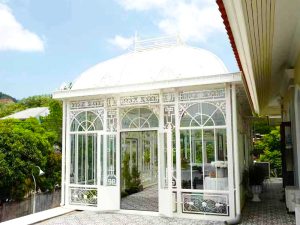
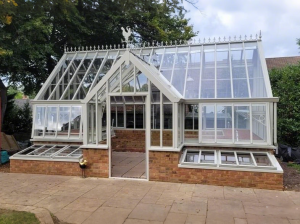
The Victorian greenhouse is a marvel of 19th-century horticultural engineering. Its defining aesthetic—graceful curves, ornate cresting, and extensive glazing—is also its primary vulnerability. Unlike modern monolithic structures, it is an assembly of countless individual parts. Glass panes meet glazing bars. Bars meet ridge pieces. The structure itself meets the foundation. Each intersection is a potential pathway for water. Time, weather, and settling conspire to compromise the seals at these junctions. The resulting leaks can damage timber, corrode metal, ruin equipment, and create an unhealthy environment for plants. The battle against moisture is constant. Focusing your maintenance efforts on the following three seam areas will yield the greatest return in leak prevention.
The Glazing Bar to Glass Interface
This is the most extensive and vulnerable seam in any Victorian greenhouse. Hundreds of feet of this junction exist on a single structure. Traditionally, glass was bedded into putty within the rebate of the glazing bar. The putty provides the initial seal. Over years, this putty dries out, cracks, and shrinks. It loses its adhesion to both the glass and the timber or metal. Wind-driven rain then exploits these micro-fissures. Water is forced behind the putty bead. It travels along the glazing bar channel, often emerging far from the original point of entry. This makes leak detection notoriously difficult. Regular inspection of the putty condition is essential. All degraded material must be carefully removed. The rebate must be clean, dry, and primed before applying a high-quality, slow-setting linseed oil putty or a modern synthetic alternative. The new putty must form a smooth, continuous seal with a good featheredge against the glass.
The Ridge and Valley Junctions
The elegant ridge of a Victorian greenhouse is its crowning glory and a major leak hotspot. This is where two major roof planes meet at the highest point. The ridge piece, whether timber or cast iron, must create a perfect seal with the angled tops of the glazing bars. Similarly, in more complex designs, valleys channel water from one roof section to another. These areas bear the brunt of the heaviest rainfall. They also experience significant thermal movement. Sealants here fail from constant expansion and contraction. Leaks at the ridge often manifest as water dripping onto plants or benches directly below. Valley leaks can cause water to run down internal corners. Sealing these areas requires specific techniques. The old sealant must be completely removed. A compatible, high-flexibility sealant designed for exterior glazing and structural joints should then be applied. The sealant must form a continuous, unbroken bead that bridges the gap between the ridge cap and the glazing bars securely. It must remain elastic for years to come.
The Base Plate to Foundation Seam
Often overlooked, the very bottom of your Victorian greenhouse is a primary water entry point. The wooden base plate or sole plate sits on the brick or stone foundation. This horizontal seam acts like a gutter during heavy rain. Splash-back from the ground and driven rain saturate the wall. Water seeps into the tiny gap between timber and masonry. It wicks up into the end grain of the base plate, leading to rapid rot. This compromises the structural integrity of the entire frame. The damage is often hidden by planting or staging. It is only discovered when timber becomes soft. Preventing this requires a two-fold approach. First, ensure the foundation itself has a damp-proof course. Second, the seam must be properly sealed. A durable, non-setting mastic or specialized foundation sealant is applied to create a flexible, watertight bridge. This sealant must adhere firmly to both the masonry and the painted timber. It must withstand ground-level UV exposure and physical abrasion.
Addressing leaks in these three seams demands a proactive, not reactive, approach. Waiting for a drip to appear means damage has already begun. Schedule a thorough inspection of your Victorian greenhouse at least twice a year, ideally in spring and autumn. Look for cracked, missing, or shrunken putty. Probe the condition of sealant at ridges and bases. Check for signs of moisture ingress or timber softening. Early detection is the most cost-effective repair strategy. It prevents minor issues from escalating into major restoration projects. Consistent maintenance preserves both the function and the historical value of your structure. Your greenhouse is an investment worth protecting. A disciplined inspection routine is the best safeguard against the disappointment of leaks.
Professional restoration may be necessary for severe cases. If timber around the seams has rotted, simple sealing is insufficient. The damaged sections require careful splicing or replacement by a craftsman familiar with historic greenhouse construction. Similarly, extensive re-puttying or re-sealing of a large structure can be a labour-intensive task. Seeking expert help ensures the job is done correctly with appropriate materials. It guarantees the longevity of the repair and the preservation of the greenhouse’s character. A specialist will also identify related issues like inadequate ventilation or failed paint systems that contribute to overall deterioration. Their expertise can save you time and money in the long term.
Your Victorian greenhouse is more than just a building. It is a living connection to gardening history and a centrepiece for your horticultural passion. The frustration of leaks can obscure the joy it brings. By shifting your focus to the three critical seams—glazing, ridge, and base—you reclaim control. You move from reactive worrying to proactive preservation. Understanding these specific vulnerabilities empowers you as an owner. Implement a regular inspection schedule. Use quality, compatible materials for any repairs. Do not hesitate to consult a professional for significant issues. A dry, secure greenhouse awaits. Your plants will thrive, and you can once again enjoy the timeless beauty of your Victorian greenhouse without the shadow of a lurking leak. The sound of rain on the glass should be a comfort, not a cause for concern.
Related_products






Ready to Bring Your Greenhouse to Life?
Have questions about Greenhouse solutions? Leave a message below.
Your information will be kept confidential.
Call us: +86 138 3370 5565 • Email: admin@hengshengcasting.com