A
glass greenhouse is more than a simple structure—it’s a portal to year-round horticultural joy, seamlessly blending functionality with aesthetic appeal. Constructed with transparent glass panels and sturdy frames (often aluminum or steel for modern durability), these spaces act as sunlit sanctuaries where plants thrive under controlled conditions. The design maximizes natural light penetration, creating an environment where tropical flowers, herbs, or even citrus trees can flourish regardless of external weather. Beyond plant cultivation,
glass greenhouses serve as versatile extensions of living spaces, doubling as home offices, yoga retreats, or intimate dining areas bathed in sunlight.
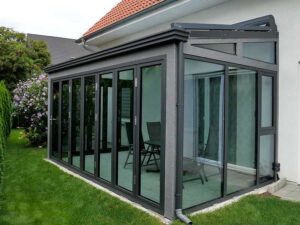
For urban dwellers or those with limited outdoor space, a lean-to greenhouse offers a smart solution. Attached to a home’s exterior wall, this space-saving design borrows structural support from the building while maintaining easy access to utilities like water and electricity. Its sloped roof funnels rainwater and snow, and the proximity to the house provides natural heat retention, reducing energy costs. A lean-to greenhouse can be customized to fit narrow yards or balconies, making it ideal for small-scale gardening or showcasing prized succulents and orchids.
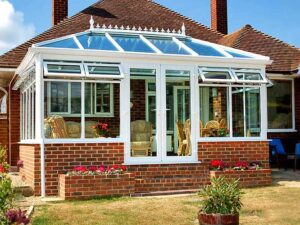
Fans of historical architecture often gravitate toward the Victorian greenhouse, a timeless symbol of elegance. Characterized by ornate cast-iron frames, curved or domed roofs, and intricate scrollwork, these structures evoke 19th-century grandeur. Modern iterations blend traditional aesthetics with practical upgrades—such as automated ventilation systems and UV-protective glass—to ensure plant health while preserving the greenhouse’s decorative appeal. A Victorian greenhouse transforms any garden into a focal point, whether filled with climbing roses, ferns, or exotic palms.
For those seeking a seamless indoor-outdoor connection, a
glass conservatory delivers unmatched sophistication. Larger than a typical greenhouse, conservatories often feature tall ceilings, expansive windows, and luxurious finishes like stone flooring or chandeliers. They serve as transitional spaces where homeowners can host guests amid lush greenery, enjoy morning coffee surrounded by sunlight, or even grow seasonal vegetables in a controlled microclimate. Advanced technology, such as retractable roofs and smart irrigation systems, allows conservatories to adapt to changing seasons while maintaining optimal growing conditions.
Material innovation plays a crucial role in modern
glass greenhouse design. Self-cleaning glass reduces maintenance, while insulated panels enhance thermal efficiency, minimizing heating costs in colder climates. Additionally, hydroponic systems or vertical gardening setups maximize space in smaller greenhouses, enabling urban farmers to grow leafy greens or herbs vertically. Sustainability is also a focus, with many designs incorporating solar panels to power interior lighting and fans.
Choosing the right plants is essential to a greenhouse’s success. Sunrooms and conservatories might feature low-maintenance succulents, fragrant jasmine, or edible plants like cherry tomatoes. Meanwhile, Victorian greenhouses often showcase tender plants like orchids or camellias that require precise temperature and humidity control. Gardeners can experiment with seasonal rotations, ensuring vibrant blooms or harvests throughout the year.
In essence, a
glass greenhouse transcends its utilitarian roots to become a lifestyle statement. Whether as a lean-to urban oasis, a Victorian architectural gem, or a luxurious conservatory, these spaces celebrate the harmony between nature and human creativity. They offer a retreat from the hustle of daily life, a place to nurture both plants and the soul, while proving that beauty and practicality can coexist in perfect equilibrium.