Menu


Steel-Aluminum vs. Broken Bridge Aluminum Sunrooms
Choosing between steel-aluminum and broken bridge aluminum sunrooms? This side-by-side comparison covers strength, heat loss, cost, and long-term care.
Steel-Aluminum vs. Broken Bridge Aluminum Sunrooms
Two frame types dominate the sunroom market today. Steel-aluminum combines a galvanized steel core with an outer aluminum layer. Broken bridge aluminum uses a thermally broken profile made entirely of aluminum. Both systems deliver modern aesthetics. Their performance under real conditions differs greatly. This guide cuts through the marketing noise. We compare their structural behavior, thermal resistance, assembly process, and upkeep demands. Your final decision becomes clearer after reading.
Quick Comparison Overview
| Feature | Steel-Aluminum Sunroom | Broken Bridge Aluminum Sunroom |
|---|---|---|
| Structural Strength | Excellent for large spans and heavy snow | Good, but requires more support posts |
| Thermal Break | None, steel conducts heat rapidly | Built-in polyamide strip stops cold transfer |
| Weight | Very heavy, needs strong foundations | Lightweight, easier on existing decks |
| Corrosion Resistance | Depends on outer cladding; steel can rust if scratched | Fully corrosion-resistant throughout |
| Installation Speed | Slower, involves welding and heavy lifting | Faster, uses pre-cut sections and simple tools |
| Initial Cost | Lower material budget | Higher upfront investment |
| Long-Term Maintenance | Regular paint and sealant checks required | Minimal, mainly gasket replacement |
| Energy Efficiency | Low, significant heat loss in winter | High, maintains stable indoor temperatures |
Structural Integrity and Load Handling
Steel delivers unmatched bending resistance. Large glass roofs are supported confidently. Fewer vertical posts are needed for wide openings. Broken bridge aluminum bends more under pressure. Deflection becomes visible during strong winds. Snow accumulation may trigger frame movement. Steel-aluminum frames stay perfectly straight. This stiffness protects glass panels from stress fractures. Broken bridge aluminum requires thicker profiles for similar spans. Additional mullions interrupt the sightlines. Steel-aluminum preserves panoramic views effectively. Earthquake zones favor the ductility of steel. Aluminum remains elastic but less robust overall.
Thermal Performance and Energy Loss
Broken bridge aluminum is engineered for insulation. The polyamide strip creates a true thermal barrier. Interior frame surfaces stay warm in winter. Condensation does not form easily. Steel-aluminum suffers from thermal bridging. Cold travels straight through the steel core. Interior edges become chilly spots. Heating costs rise noticeably. Air conditioning escapes during summer months. Broken bridge aluminum reduces energy consumption. Passive solar heat is retained properly. The U-values are significantly better. Steel-aluminum fails modern energy codes in cold regions. Supplementary insulation must be added separately.
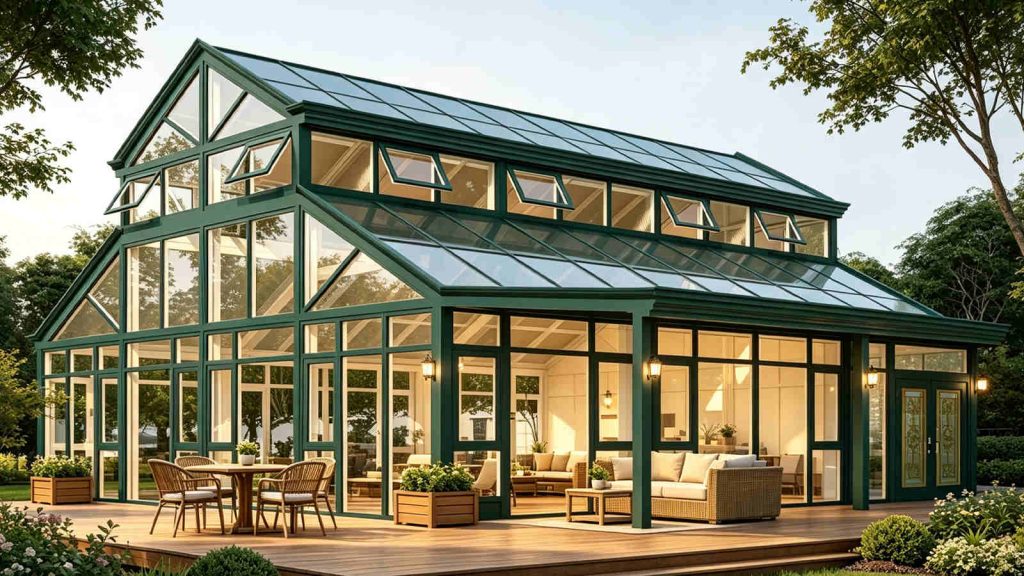
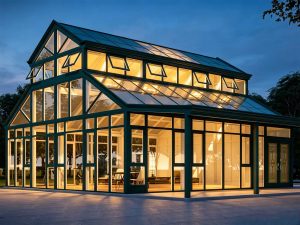
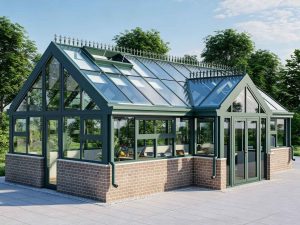
Steel Aluminum Sunrooms
Installation Process and Labor Needs
Steel-aluminum fabrication is workshop-intensive. Steel sections are welded, galvanized, and clad. Crane access is often mandatory. Installation teams need structural expertise. Broken bridge aluminum comes factory-assembled. Light sections are carried by hand. Cutting and drilling are done on-site easily. Two workers complete the shell quickly. Steel-aluminum projects extend the timeline. Foundation work adds extra days. Aluminum systems save significant labor costs. Site disruption is minimized considerably. Homeowners prefer the shorter installation period. Steel-aluminum suits commercial-scale schedules better.
Weather Resistance and Long-Term Durability
Aluminum outer layers resist oxidation naturally. Broken bridge aluminum maintains its finish flawlessly. Scratches do not compromise structural safety. Steel-aluminum depends on coating integrity. Damage exposes bare steel to moisture. Rust initiates in tiny imperfections. Regular inspections catch these issues early. Broken bridge aluminum avoids this vulnerability entirely. Drainage channels are integrated into the profile. Water is directed away efficiently. Steel-aluminum needs careful flashing at joints. Sealants degrade faster on steel surfaces. Long-term durability favors the aluminum option.
Cost Analysis and Return on Investment
Initial quotes favor steel-aluminum structures. Material costs are lower per square meter. Installation expenses remain moderate for simple designs. Broken bridge aluminum commands a premium price. Better insulation justifies the extra expense. Energy savings accumulate over many seasons. Steel-aluminum owners face rising utility bills. Maintenance costs appear later. Painting and rust treatment add up. Broken bridge aluminum requires very little upkeep. Resale value improves with thermal efficiency. Buyers recognize the quality difference. Long-term ownership favors the thermally broken system.
Maintenance Routines and Practical Care
Cleaning is straightforward for both frames. Mild detergent and water work well. Broken bridge aluminum holds its color for decades. Powder coating adheres with exceptional durability. Steel-aluminum needs recoating every few years. Joints require regular sealant replacement. Hardware lubrication is universal. Steel-aluminum hinges experience more strain. Thermal movement loosens connections gradually. Broken bridge aluminum hardware stays stable. Gasket replacement is the main task. Overall effort is lower for aluminum.
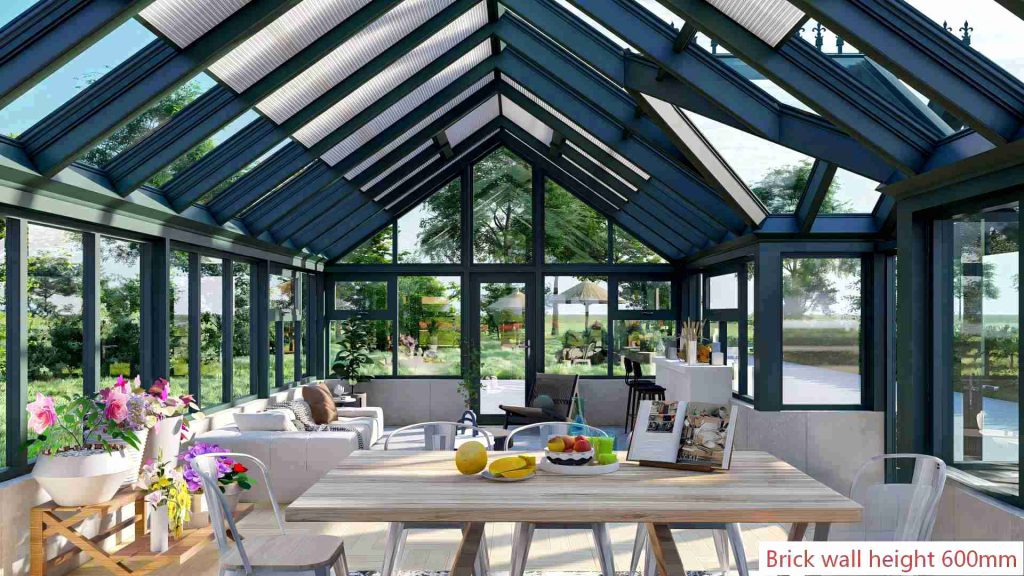
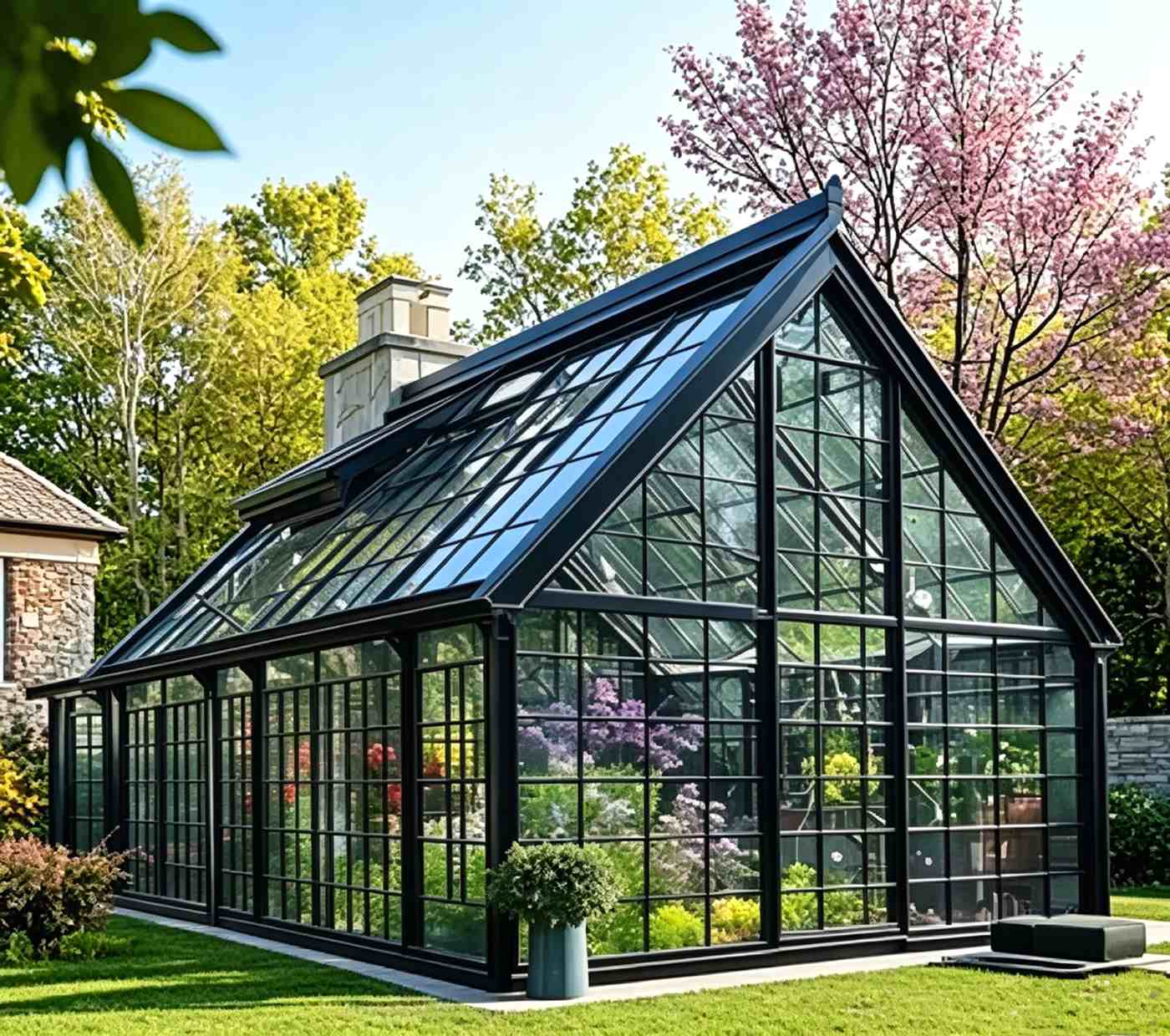
Broken Bridge Aluminum Sunrooms
Which Option Suits Your Project Best
Consider your primary use case first. Living spaces demand thermal comfort. Broken bridge aluminum wins here clearly. Unheated garden rooms can use steel-aluminum. Climate plays the second major role. Cold regions should avoid steel-aluminum. Mild areas can accept its limitations. Budget constraints may force a choice. Steel-aluminum saves immediate cash. Broken bridge aluminum saves long-term money. Structural requirements are the third factor. Large glass expanses need steel strength. Small to medium sizes suit aluminum well.
Summary and Final Recommendation
Steel-aluminum offers raw power at a lower cost. It performs best in warm, snow-free climates. Broken bridge aluminum provides superior comfort and efficiency. It suits year-round residential use perfectly. Assess your local weather patterns honestly. Evaluate your glazing weight carefully. Consult a qualified installer for load calculations. Prioritize thermal breaks for living spaces. Choose steel-aluminum for covered patios only. Both systems have valid applications. Match the material to your real needs. This comparison guides your final selection.

Ready to Bring Your Greenhouse to Life?
Have questions about Greenhouse solutions? Leave a message below.
Your information will be kept confidential.
Call us: +86 138 3370 5565 • Email: admin@hengshengcasting.com